
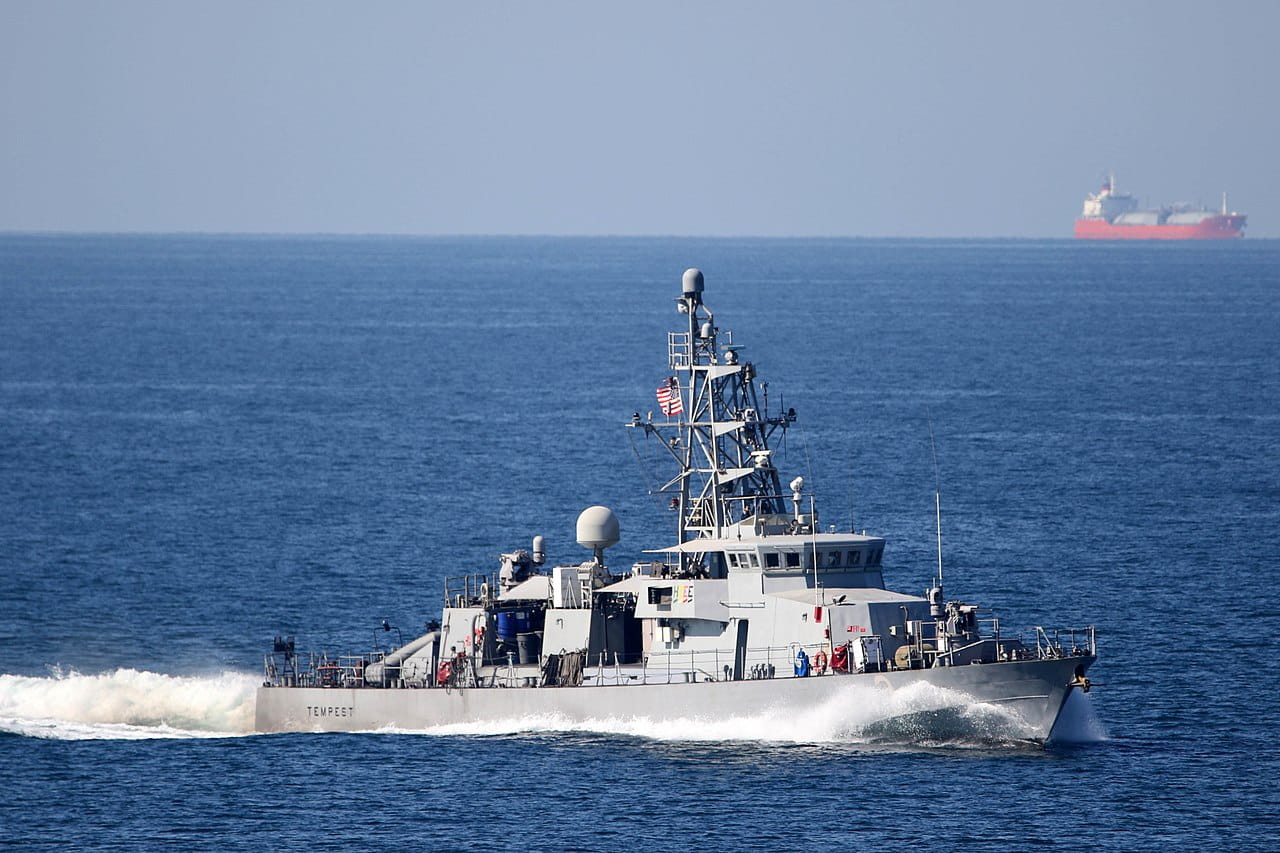
Three simultaneous military conflicts — US-Iran, Russia-Ukraine, and the simmering aftermath of last year’s India-Pakistan war — dominated the week, while the global economy absorbed the knock-on effects of sustained instability. Peace talks are active on multiple fronts, but progress is tenuous at best. Markets briefly surged on ceasefire news, then remembered the underlying reality.
US-Iran: Day 71, Still No End in Sight
The most consequential conflict of 2026 entered its 71st day with no resolution. The United States and Israel have been at war with Iran since February 28, when coordinated airstrikes targeted Iranian military and government sites, killing several senior officials including Supreme Leader Ali Khamenei. Since then, Iran has responded with missile and drone strikes on Israel, US bases, and US-allied Arab states — and, critically, the closure of the Strait of Hormuz.
This week, some hope flickered. Iran confirmed it had sent a response to a US peace proposal via Pakistan as mediator. But Trump publicly accused Tehran of “playing games,” and both sides remain far apart on the two core US demands: suspension of Iran’s nuclear programme and reopening of Hormuz. A state of relative calm settled around the Strait on Saturday, but sporadic clashes between US forces and Iranian vessels continued earlier in the week.
The economic fallout is measurable. The IEA revised its 2026 global oil demand forecast, projecting a Q2 contraction of roughly 1.5 million barrels per day — the sharpest drop since COVID-19. Global food prices rose for the third consecutive month in April, driven by fertiliser supply disruptions traced directly to the conflict. The IMF now projects global growth at just 3.1% for 2026.
Russia-Ukraine: A Ceasefire Timed for a Parade
On Friday, Trump announced a three-day ceasefire between Russia and Ukraine, timed around Russia’s Victory Day celebrations on May 9. Both sides confirmed the deal, which included a suspension of all kinetic activity and an exchange of 1,000 prisoners by each country.
Read that again: a ceasefire was negotiated primarily so Russia could hold a military parade without fear of drone strikes. Ukrainian forces have targeted Moscow with drone attacks multiple times this year, and security in the capital was visibly tightened ahead of the parade, with several foreign leaders attending.
The broader picture: this is not a peace deal. It is a 72-hour pause. No framework for negotiations was announced, no territorial questions addressed. The ceasefire may hold or may not — but it does nothing to change the structural dynamics of a war now in its fourth year.
India-Pakistan: One Year On, Still Unresolved
This week marked one year since the brief but intense aerial conflict between India and Pakistan that followed the April 2025 Pahalgam attack, in which 26 Hindu tourists were killed in Indian-administered Kashmir. India launched strikes; Pakistan responded; both sides claim victory.
The ceasefire has held — barely. India suspended the Indus Waters Treaty following the attack and has not reinstated it. That treaty underpins the water supply for more than 80% of Pakistan’s agricultural land. Analysts are warning that the unresolved status of the treaty, combined with continued inflammatory rhetoric from both governments, makes the next flare-up a question of when, not if. Both nations remain nuclear-armed.
Economy: Markets Liked the Headlines, Data Told a Different Story
Global markets surged mid-week on ceasefire optimism — Asian technology and semiconductor stocks led, European banking and defence followed. But the underlying data is less encouraging. Mexico’s central bank cut rates 25bp to 6.50% after GDP contracted 0.8% in Q1. A US Court of International Trade ruled that Trump’s 10% global tariffs imposed in February violated a 1970s statute, though relief was granted only to two private companies.
The IMF’s April World Economic Outlook, titled Global Economy in the Shadow of War, says it all. Growth projections have been revised downward. Inflation is expected to tick up before resuming its decline. The Hormuz closure is the single biggest wildcard — roughly 20% of global oil passes through the strait. Every week it stays shut, the longer-term damage compounds.
What to Watch Next Week
- Iran’s formal response to the US peace proposal — and whether Trump escalates or negotiates
- Whether the Russia-Ukraine ceasefire holds beyond Sunday
- Any movement on the Indus Waters Treaty between India and Pakistan
- Oil prices and shipping data as Hormuz remains contested
Sources:
- Trump says Russia and Ukraine have agreed to 3-day ceasefire — NPR
- Iran war live: Trump says Tehran ‘playing games’ — Al Jazeera
- 2026 Iran war — Wikipedia
- US, Iran no closer to ending war — CNBC
- Two wins, two losses: What India, Pakistan learned a year after war — Al Jazeera
- A year later, India and Pakistan’s ceasefire is holding. So far. — Washington Post
- World Economic Outlook April 2026: Global Economy in the Shadow of War — IMF
- Global Trade Update May 2026 — UNCTAD
- Global Markets Surge Overnight, May 6, 2026 — STL.News
- May 2026 Economic and Market Update — Crestwood Advisors
- Matthew Riggs, U.S. Navy — Public domain, via Wikimedia Commons